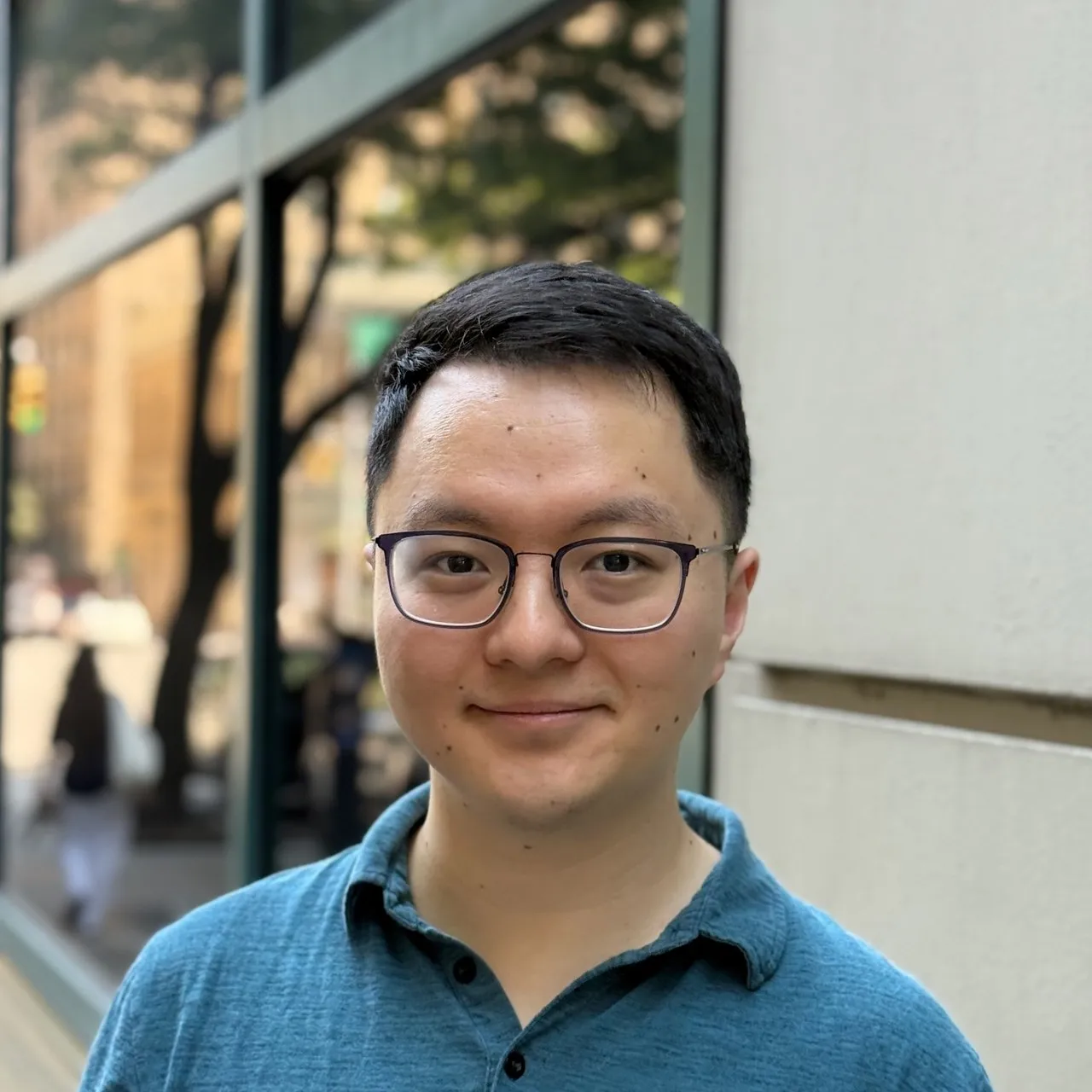
David Li
I build the platforms other people build on. Lately, the ones AI agents build on too.
Product lead for developer platforms and AI agents. Chrome Extensions at Google, Windows developer APIs at Microsoft, now enterprise MCP at Capital One. Based in New York.
LinkedIn·Email
Work I'd point to first
A governed MCP platform for developers and AI agents, inside a regulated enterprise
At Capital One I own the product vision and strategy for the company's internal Model Context Protocol platform. MCP is the open standard AI agents use to reach tools and data. The platform is a gateway, a registry, and a governance process, and it serves two kinds of customers at once: engineers working inside Claude Code, Windsurf, and other coding agents, and the agents themselves. I built it with security, legal, and risk as partners rather than gatekeepers, so the approved way to use MCP is also the fastest way. Teams across multiple divisions of the company use it today.
Reversing a declining developer ecosystem while moving it to Manifest V3
For five years I led product for the Chrome extensions developer platform and the developer side of the Chrome Web Store: a marketplace with over a billion users on one side and independent developers on the other. I inherited a developer base that had been shrinking and returned it to growth, with new developer registrations up more than 30% year over year. In the same period I led the ecosystem's migration to Manifest V3, the platform's security and privacy overhaul, through real developer resistance and hostile press. More than 95% of actively maintained extensions made the move. Along the way I built the platform's technical writing team from nothing and won the headcount for its developer support and developer relations functions.
Repositioning Chrome extensions as a platform for generative AI
Before I worked on enterprise AI, I set the strategy that made Chrome extensions the place developers experiment with AI in the browser. That meant product decisions like the Side Panel, the surface many AI extensions now live in. It also meant the go-to-market that put Chrome's built-in AI APIs, running on Gemini Nano on the user's own device, in front of extension developers. I told that story at Google I/O 2025. My view then and now: the interesting products will combine on-device and cloud models, and the browser is where most people will meet them first.
Before that: Lob's print-and-mail API, the graphics and UI layer of Windows, and PowerPoint for the web. → More on the About page
Writing
On agentic AI, developer ecosystems, and marketplaces. Mostly about making the safe path the easy path.
First post coming soon. Subscribe by RSS and it'll find you.
All writing →
About
I'm David. I studied computer science at Yale, shipped code before I managed products, and have spent a decade building the things other people build on. Outside work I read fantasy, cook, travel, and keep chipping away at Japanese.
More about me →